

Don’t hesitate to contact us to get more Information.
dESTINATION
Most Popular Trekking
Discover the most popular trekking experiences, loved by adventurers for their breathtaking routes, scenic beauty, and unforgettable Himalayan moments.
16
6
₹9900/Person
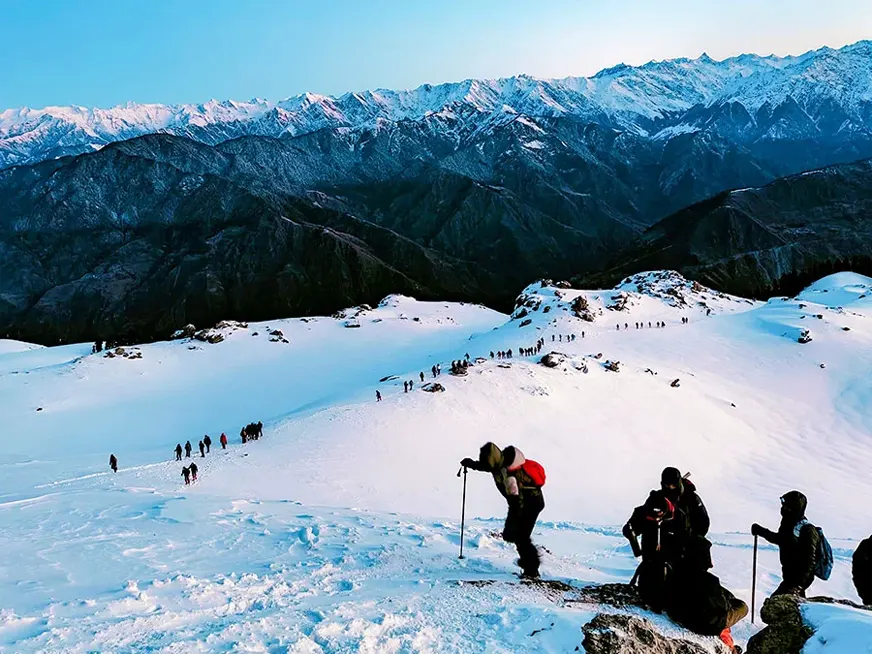
Kedarkantha Trek – Uttarakhand
Also known as the queen of winter treks, is a blend of experiences that combines the beauty of the Himalayas and its challenges.
6
16
₹10900/Person
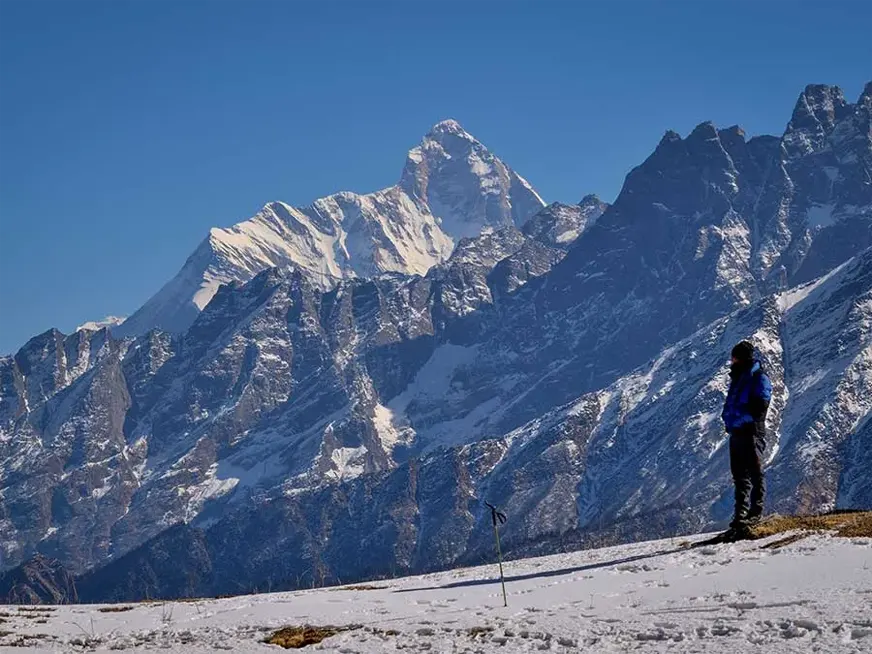
Kuari Pass Trek – Uttarakhand
Trek through vast, snow-covered meadows during winter and immerse yourself in a winter paradise that feels like a true wonderland.
3
16
₹5490/Person
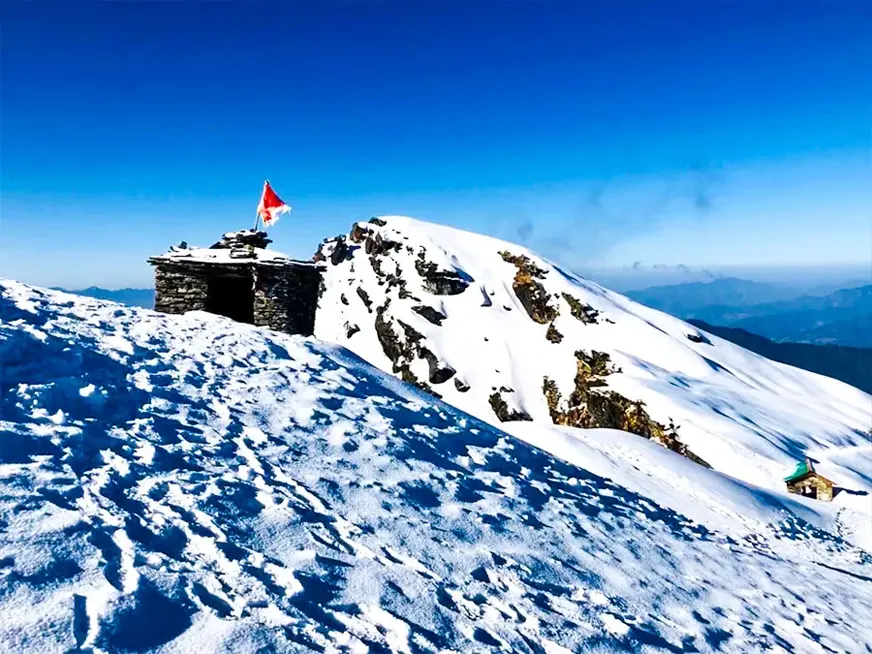
Chopta Chandrashila Trek – Uttarakhand
You will explore four iconic destinations: Chopta, Chandrashila, Tungnath, and Deoriatal, all with beautiful views and different experiences.
The best journeys in life are those that answer questions you never thought to ask
Spirit of Himalayas is a Uttarakhand-based trekking company focused on delivering safe, authentic, and unforgettable Himalayan adventures. We specialize in offbeat trails, professional local guides, and well-organized treks that allow travelers to explore the true beauty and spirit of the mountains.
Spirit of Himalayas curates meaningful trekking journeys that blend adventure, nature, and local culture in the heart of Uttarakhand. We believe in slow, responsible travel that lets trekkers truly experience the mountains.
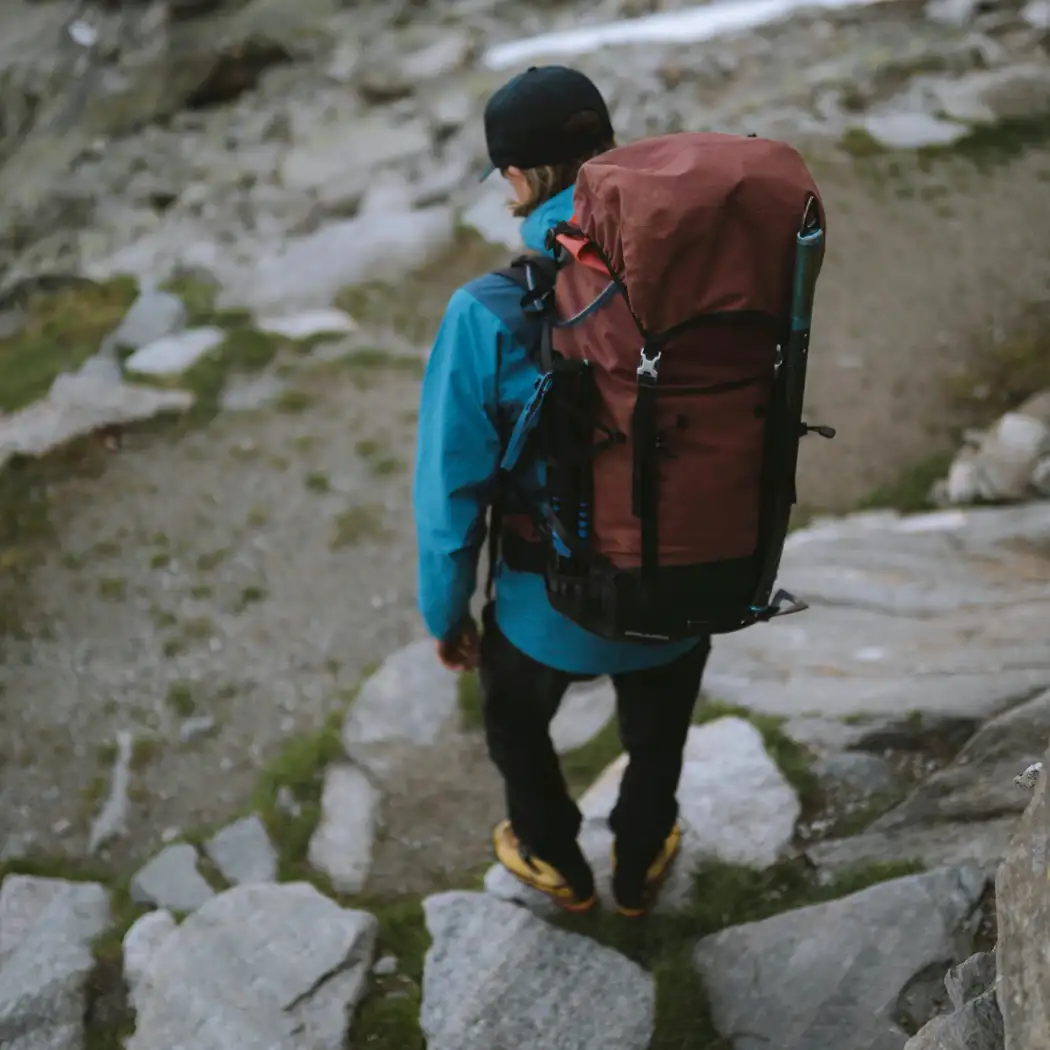
CHOOSE US
We Provide The Best Hiking And Trekking To You Journey
Every journey with us is thoughtfully designed to help you explore nature, challenge yourself, and create lasting memories. From scenic trails to expert guidance, we ensure every journey becomes a memorable Himalayan experience.

Exploration
Explore with us and uncover hidden paths, breathtaking landscapes, and experiences that go beyond the ordinary.

Adventures
Adventure with us means stepping beyond the ordinary to experience thrill, nature, and unforgettable moments.

Provide Equipment
We provide high-quality trekking equipment to ensure comfort, safety, and a worry-free adventure.

Professional Guide
Our professional guides are highly experienced, locally trained experts who ensure safety and confidence.
Journeys
Gallery Of Our TREKs
Explore our trek gallery showcasing breathtaking landscapes, hidden trails, and unforgettable moments from the Himalayas.
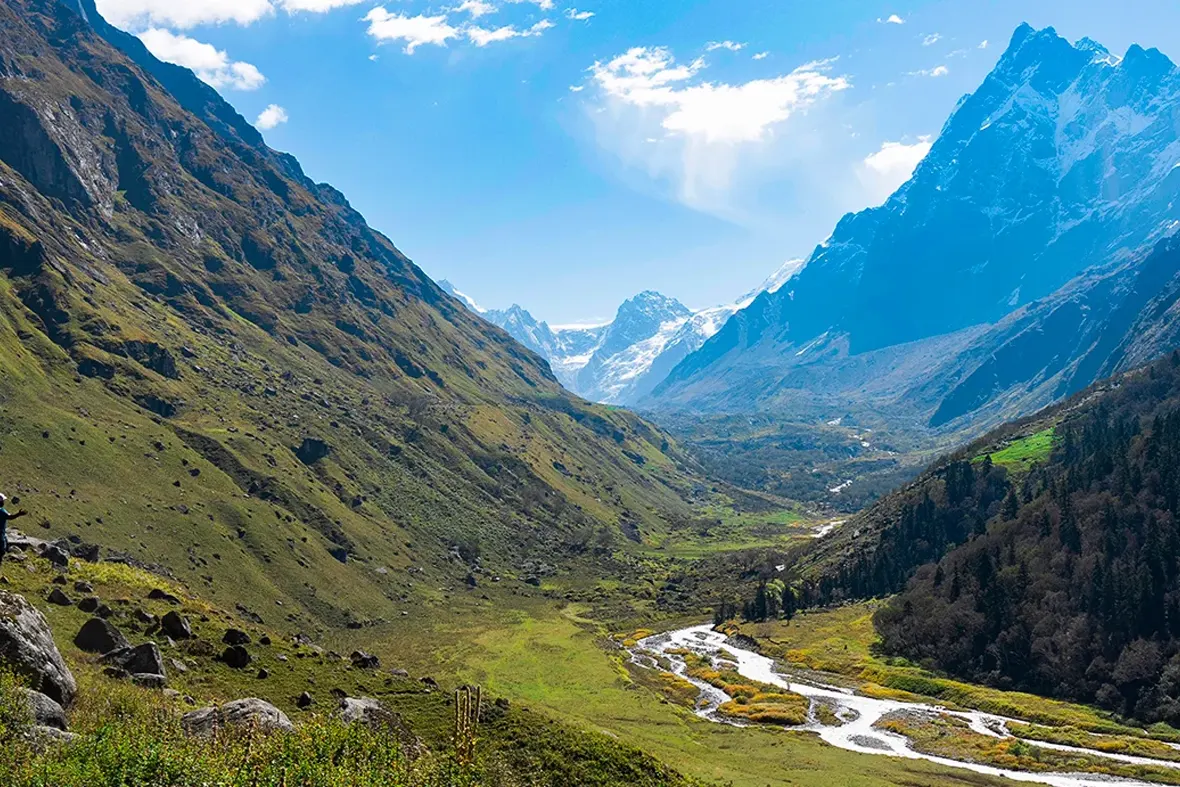
Har Ki Dun Trek
16 Members Mini.
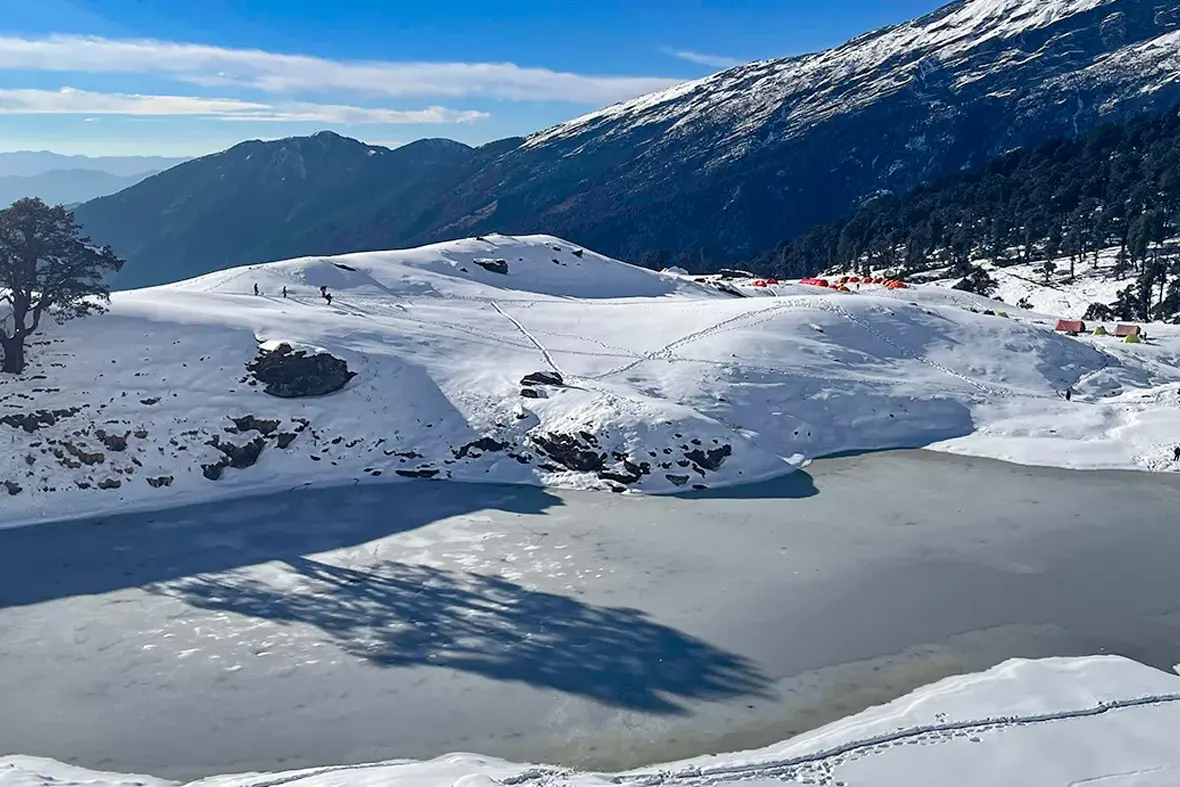
Brahmatal Trek
16 Members Mini.
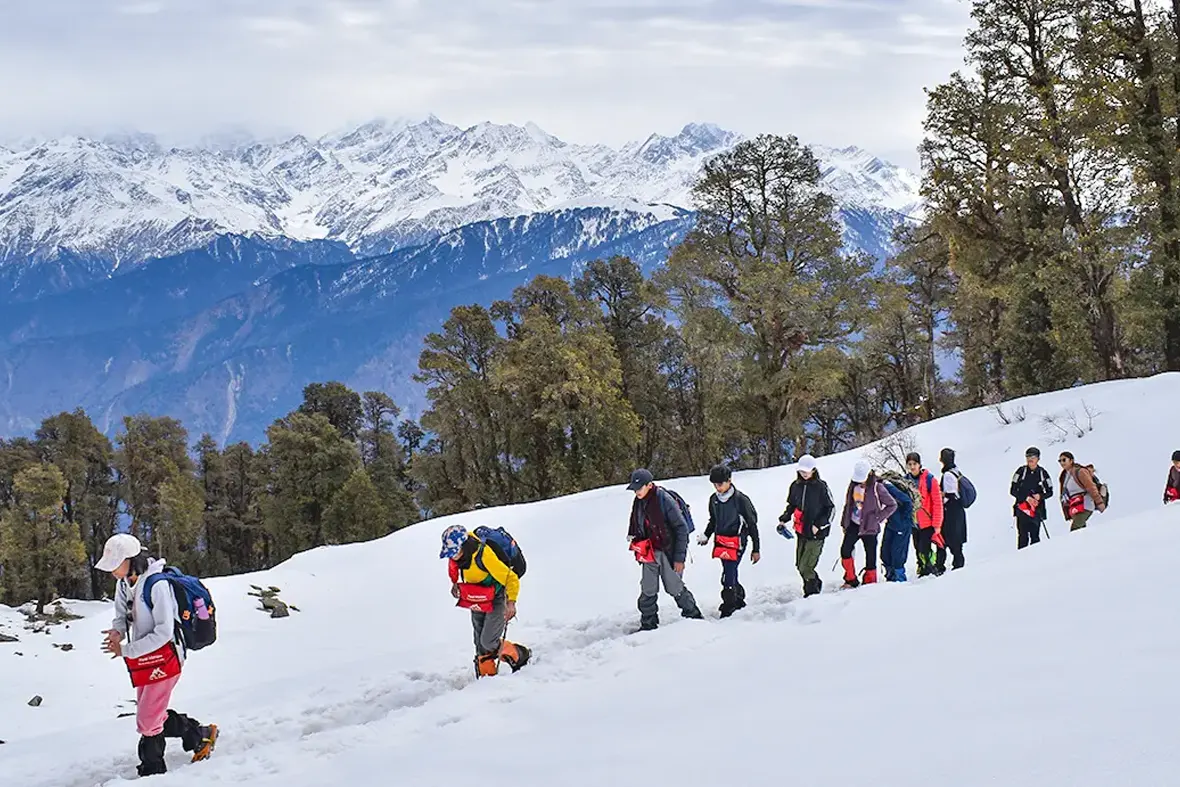
Dayara Bugyal Trek
16 Members Mini.
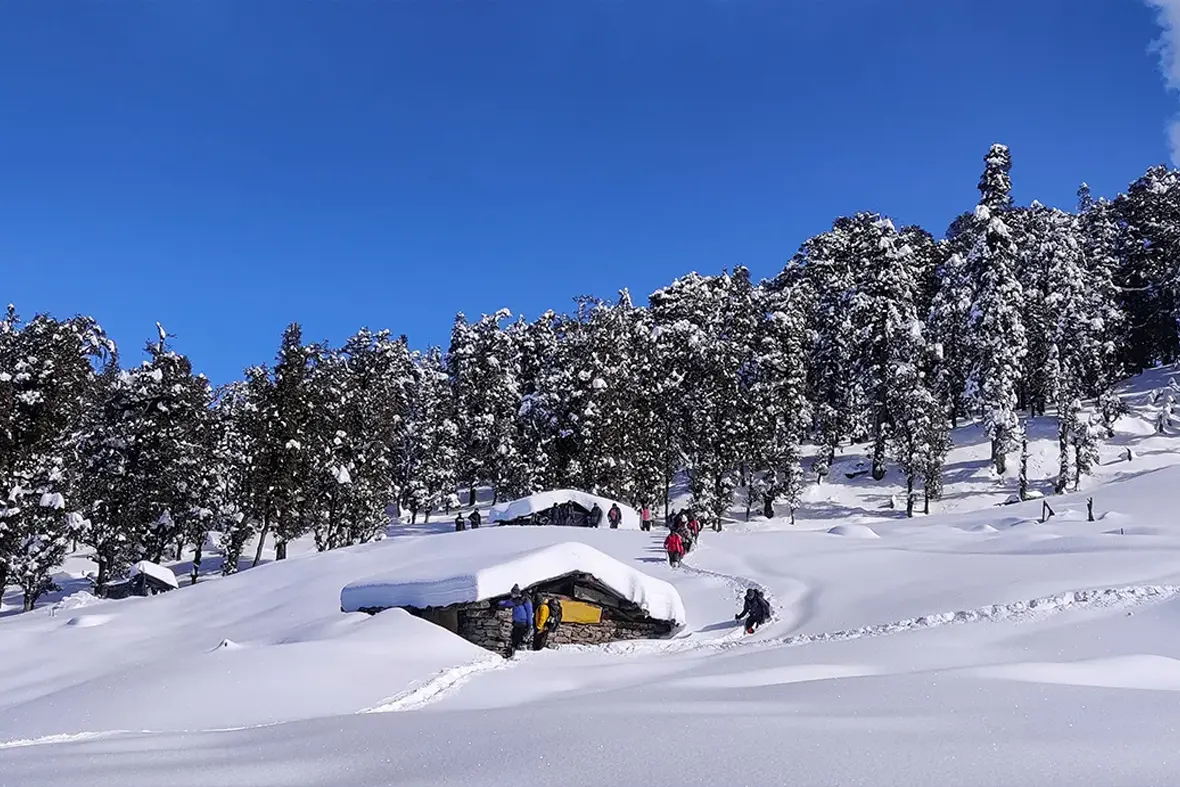
Kedarkantha Trek
16 Members Mini.
Testimonials
What They Say About US
Hear directly from our trekkers as they share their experiences, stories, and unforgettable moments with us.

Hiker
An amazing trekking company from Uttarakhand that knows the mountains inside out. The hidden trails and peaceful locations made the trek unforgettable.
Trekker
Highly recommended for anyone looking for authentic Himalayan treks. Great organization, friendly guides, and a truly memorable adventure.
Trekker


Explore Full Itineraries & Trip Ideas For TREKKING
Discover detailed trekking plans that highlight scenic routes, hidden trails, and immersive mountain experiences.
Spirit of Himalayas is a trekking company dedicated to offering authentic and well-curated Himalayan trekking experiences.
Quick Links
Useful Links
Newsletter
We help trekkers explore the true spirit and beauty of the Himalayas.
Payment:
We are proudly partnered with Turista Amigo to offer seamless travel experiences.
Copyright © 2025. All Right Reserved.
Spirit of Himalayas offers an incredible trekking experience with professional guides and well-planned routes. Truly felt safe and connected with nature throughout the journey.